Teaching for Independence, Not Just Performance
What does it look like to empower students while preserving the best parts of the traditional band experience? In episode 122, Theresa and Kathryn talk with Caitlin McGovern and Mark Hiebert, band directors at Stevenson High School in Illinois, about how they’ve evolved their teaching to prioritize student autonomy, ownership, and lifelong musicianship. Drawing on their experiences as both educators and performers, Caitlin and Mark share how small, intentional shifts can help students become more independent musicians without abandoning the ensemble experience they value.
From performing without a conductor and transcribing student-selected songs to using storytelling, score study, and culturally responsive programming, Caitlin and Mark offer practical examples of building transferable musical skills and helping students see themselves as musicians beyond the concert stage. They also discuss the importance of intentional language, affirmation-based teaching, and giving students meaningful input into rehearsals. Their approach demonstrates how focusing on the process of learning can strengthen musical performance while creating a more inclusive, engaging experience in which students feel seen, heard, and empowered.
Listen to the full interview:
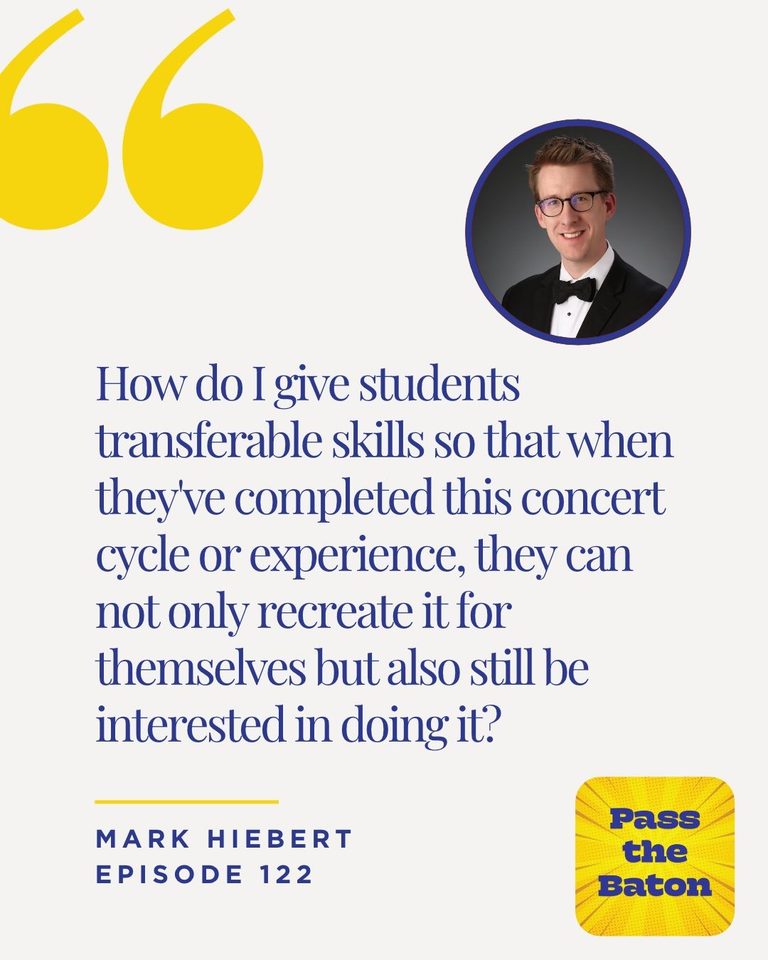
Here are some key takeaways from Episode 122:
- Start Small – Small, intentional shifts in questioning, rehearsal routines, and student leadership can build independence without abandoning the traditional band experience.
- Process Over Product – Prioritize how students learn, not just what they perform. Stronger musical understanding and ownership can lead to better performances.
- Think Like Musicians – Give students access to full scores and encourage them to listen across the ensemble, recognize musical roles, and make independent decisions.
- Make Meaning – Connect repertoire to stories, characters, and musical meaning so students become more expressive, engaged, and invested in the music.
- Affirm to Empower – Use specific, positive feedback to highlight what students do well, build confidence, and create an environment where musicianship can grow.
Listen Today!
You can check out the full interview on YouTube or your favorite podcast platform. Or you can listen right here!
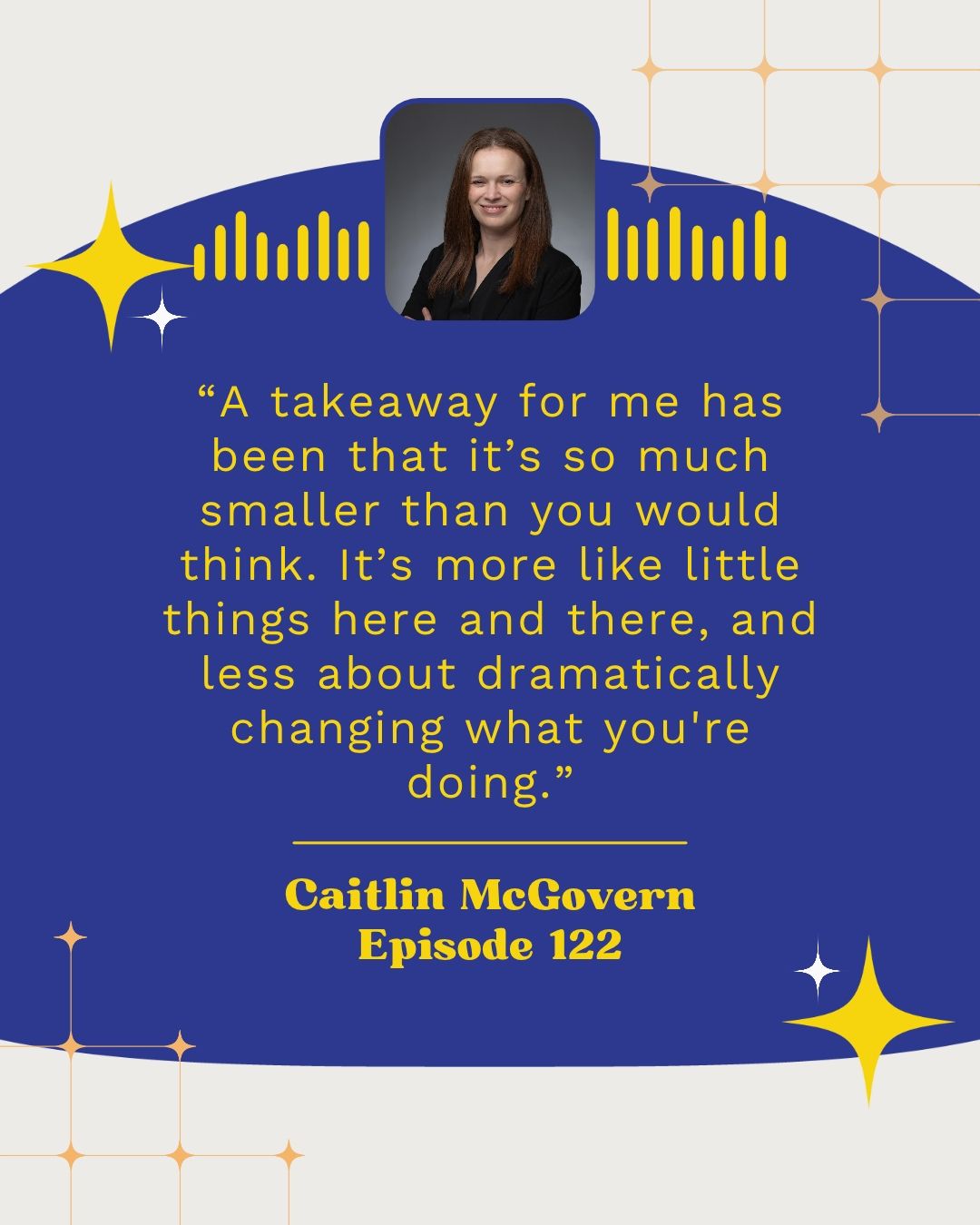
Connect with Caitlin and Mark and learn more:
More about Pass the Baton:
- Join the Coffee Club
- Support Pass the Baton
- Amplify student voice with Exit Tickets for Self Reflection
You might also enjoy these other episodes:
- Episode 62 – The Kids Come First: Student Ownership in Ensembles, featuring Kathleen Jacoby
- Episode 90 – Throw Away the Rubric: Ungrading the Music Room, featuring Chris Gleason
- Episode 77 – Inspiring Young Musicians: Passion and Purpose in Music Education, featuring Stephen Cox
- Episode 85 – Fostering Lifelong Learning through Reflective Partnerships, featuring Merlin Thompson