Getting Out of the Way: How Teachers Can Spark Musical Curiosity
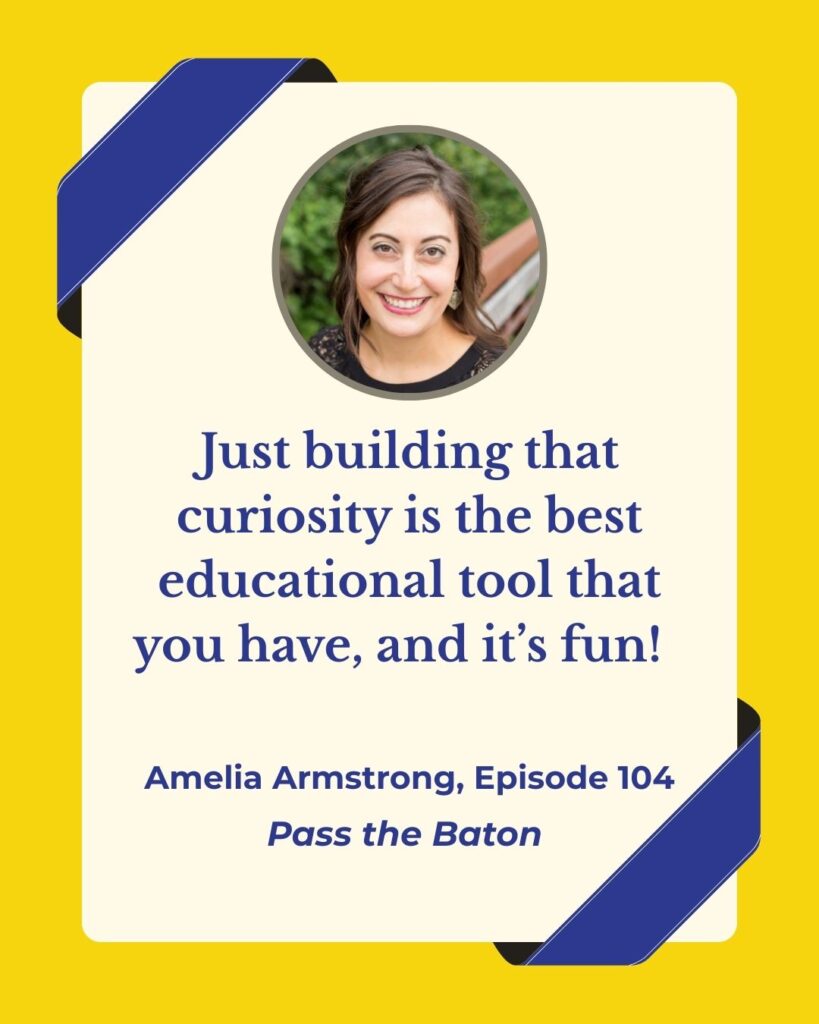
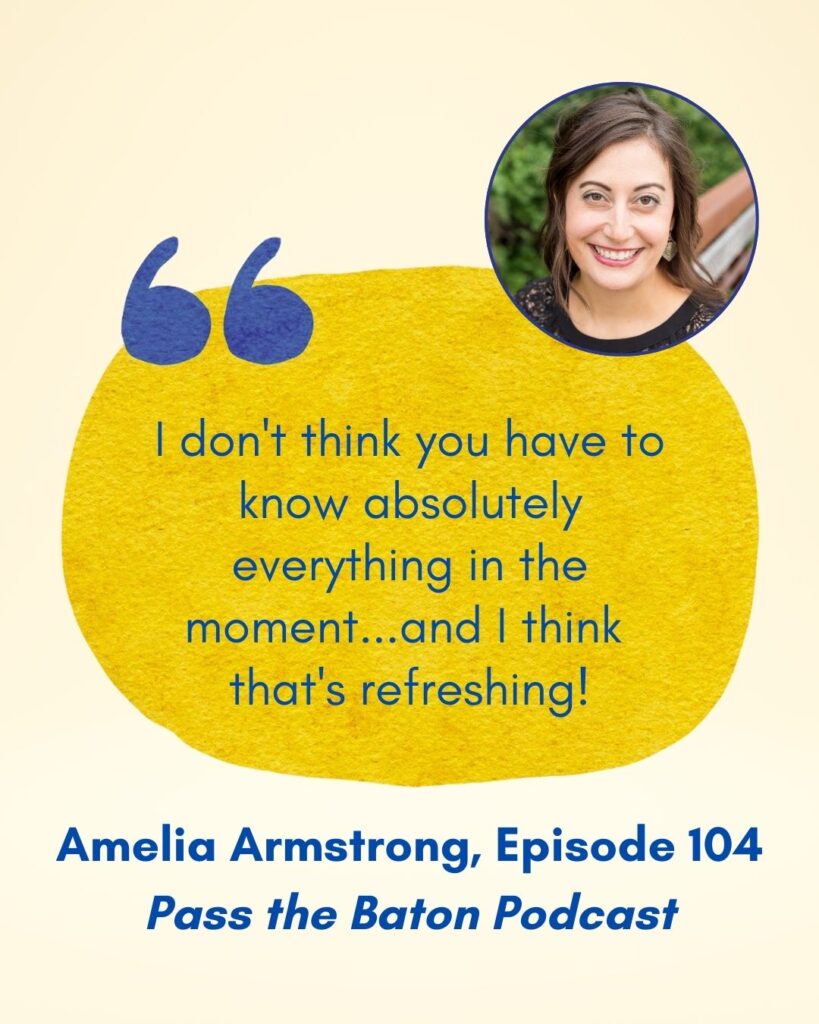
In episode 104, Theresa and Kathryn sit down with high school music educator Amelia Armstrong to explore what student-centered teaching can look like in real classrooms. Amelia shares her 22-year journey at Platteville High School in Wisconsin, where she has expanded a traditional choir program into a vibrant, inclusive music department that includes guitar, digital audio production, and flexible general music offerings. Throughout the conversation, Amelia reflects on learning alongside her students, embracing discomfort, and letting go of the idea that teachers must always be the expert. Her stories highlight how curiosity, modeling lifelong learning, and responding to student interests have helped her reach students who might not otherwise enroll in music classes.
The conversation dives deeply into practical strategies for student-centered learning, including choice-based assessments, differentiation through voice and choice, and creating classroom cultures where students feel empowered to contribute ideas, identify challenges, and advocate for their needs. Amelia describes how small shifts—like letting students choose repertoire order, tempos, assessment formats, or warm-ups—can lead to greater ownership and engagement without sacrificing rigor. She also emphasizes the importance of curiosity, reflection, and representation in music education, showing how these approaches prepare students not just as musicians, but as thoughtful, confident humans. This episode is full of concrete ideas and inspiration for educators looking to make their classrooms more responsive, inclusive, and joyful.
Listen to the full interview:
Here are some key takeaways from Episode 104:
- Learning Together – Teachers don’t need to be experts; modeling curiosity and learning alongside students builds trust, engagement, and authentic classroom relationships.
- Voice and Choice – Offering meaningful choices in repertoire, assessments, and pacing increases student ownership without sacrificing rigor or musical expectations.
- Guided, Not Centered – Shifting from “sage on the stage” to “guide on the side” empowers students to contribute knowledge and ideas.
- Small Shifts Matter – Even small decisions—tempo, warm-ups, or order—can boost student investment while reducing teacher decision fatigue.
- Curiosity First – Creating space for struggle, questioning, and discovery helps students develop independence, error-detection skills, and deeper musical understanding.
Connect with Amelia and learn more:
- School Website – Platteville School District
- Instagram – @AmeliaArmstrong639
- Wisconsin Music Educators Association
- Wisconsin Choral Directors Association
Coffee Club Members: be sure to check out the bonus material available for this episode! Not a member? Join today → Pass the Baton Coffee Club
Ready for more?
You can check out the full interview on YouTube or your favorite podcast platform. Or you can listen right here, on Spotify Podcasts!
You might also enjoy these other episodes:
- Episode 62 – The Kids Come First: Student Ownership in Ensembles, featuring Kathleen Jacoby
- Episode 90 – Throw Away the Rubric: Ungrading the Music Room, featuring Chris Gleason
- Episode 77 – Inspiring Young Musicians: Passion and Purpose in Music Education, featuring Stephen Cox
- Episode 85 – Fostering Lifelong Learning through Reflective Partnerships, featuring Merlin Thompson