Expanding What Counts as Music: Embracing Popular Music in the Classroom
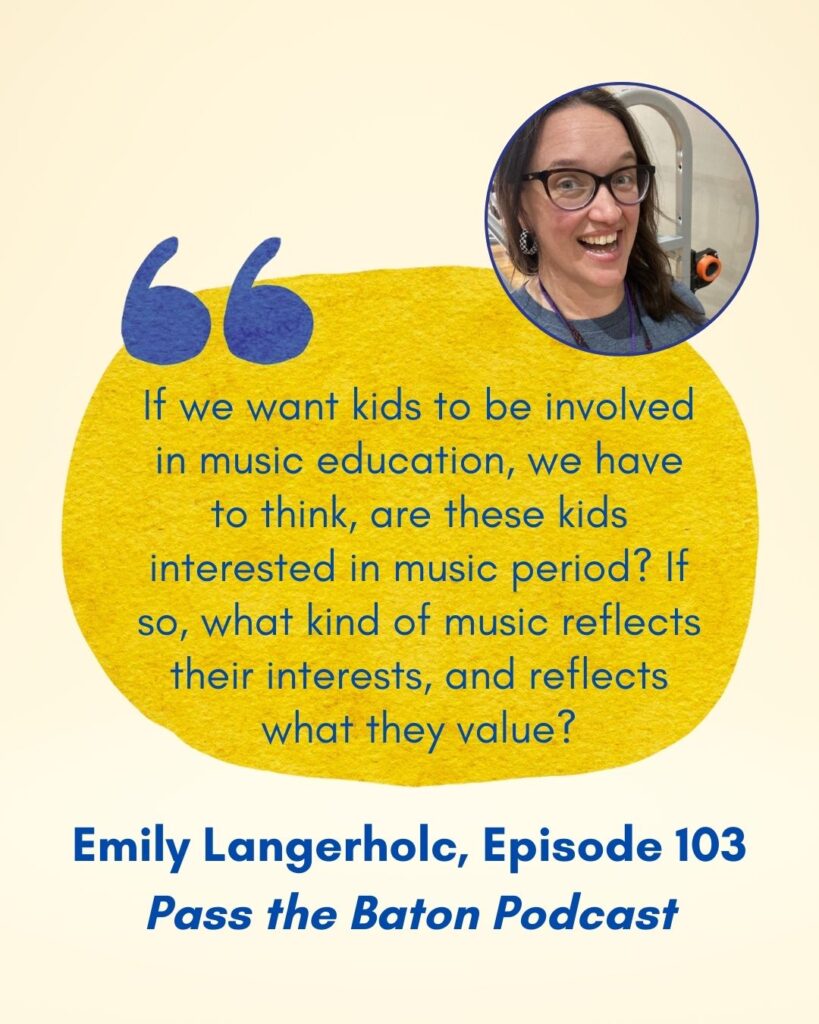
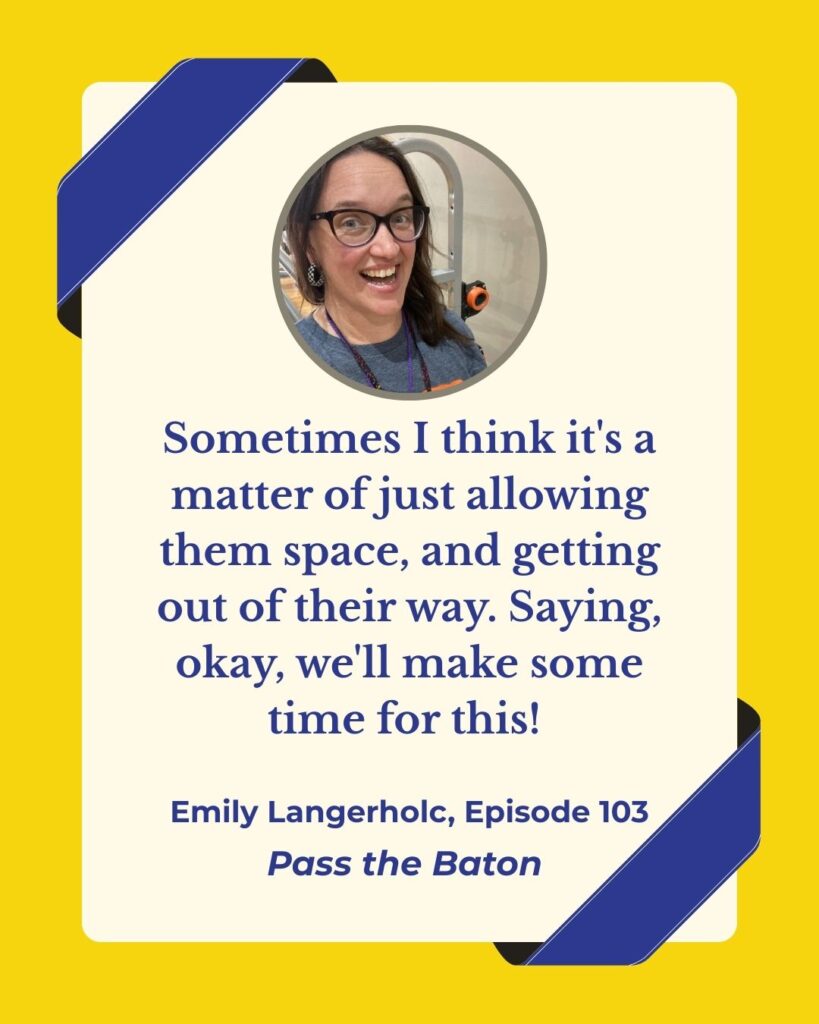
In this Episode 103, Theresa and Kathryn sit down with Emily Langerholc—elementary music teacher, PhD student, and author—to explore what it really means to embrace popular music in the classroom. Emily shares how her early love for MTV and radio shaped her musical identity, and how discovering that popular music counts as legitimate scholarly work opened the door to her lifelong passion for bridging classical and contemporary worlds. She discusses the growing acceptance of popular music in music education, why it matters for student engagement, and how connecting classroom concepts to the music students already know can transform their understanding of theory, creativity, and musicianship.
Emily offers practical examples of how she integrates popular music into both elementary and secondary settings—from using familiar songs to teach meter and mode, to remixing classical themes, to empowering students to arrange, create, and explore music on their own terms. She also speaks candidly about the challenges: the limits of ensemble schedules, the reality that not every student will be hooked by pop music, and the ongoing work of reaching the “other 80%.” Throughout the conversation, Emily emphasizes the bigger goal: helping students see themselves as musicians beyond the classroom and cultivating lifelong music-making in whatever form it takes. Tune in for inspiration, concrete ideas, and a fresh perspective on expanding what counts as music in our programs.
Listen to the full interview:
Here are some key takeaways from Episode 103:
- Popular Music Matters – Bringing popular music into classrooms boosts relevance, deepens engagement, and connects musical concepts to students’ lived experiences.
- Bridge to Theory – Familiar songs help students understand theory like meter, mode, and rhythm by linking new concepts to music they already know.
- Student Creativity Grows – Popular music opens doors for arranging, composing, and remixing, giving students confidence to create music beyond school ensembles.
- Voice and Choice – Offering structured opportunities for students to explore music they enjoy builds ownership, motivation, and stronger musical identities.
- Expand What Counts – Combining classical themes with popular styles shows students that all music has value and broadens their view of musicianship.
Connect with Emily and learn more:
- Blog – Rebel Music Teacher
- eBook – Guide to Teachable Features in Popular Music
- Physical Book – Guide to Teachable Features in Popular Music
Coffee Club Members: be sure to check out the bonus material available for this episode! Not a member? Join today → Pass the Baton Coffee Club
Ready for more?
You can check out the full interview on YouTube or your favorite podcast platform. Or you can listen right here, on Spotify Podcasts!
You might also enjoy these other episodes:
- Episode 62 – The Kids Come First: Student Ownership in Ensembles, featuring Kathleen Jacoby
- Episode 90 – Throw Away the Rubric: Ungrading the Music Room, featuring Chris Gleason
- Episode 77 – Inspiring Young Musicians: Passion and Purpose in Music Education, featuring Stephen Cox
- Episode 85 – Fostering Lifelong Learning through Reflective Partnerships, featuring Merlin Thompson