Centering Learners, Creating Community
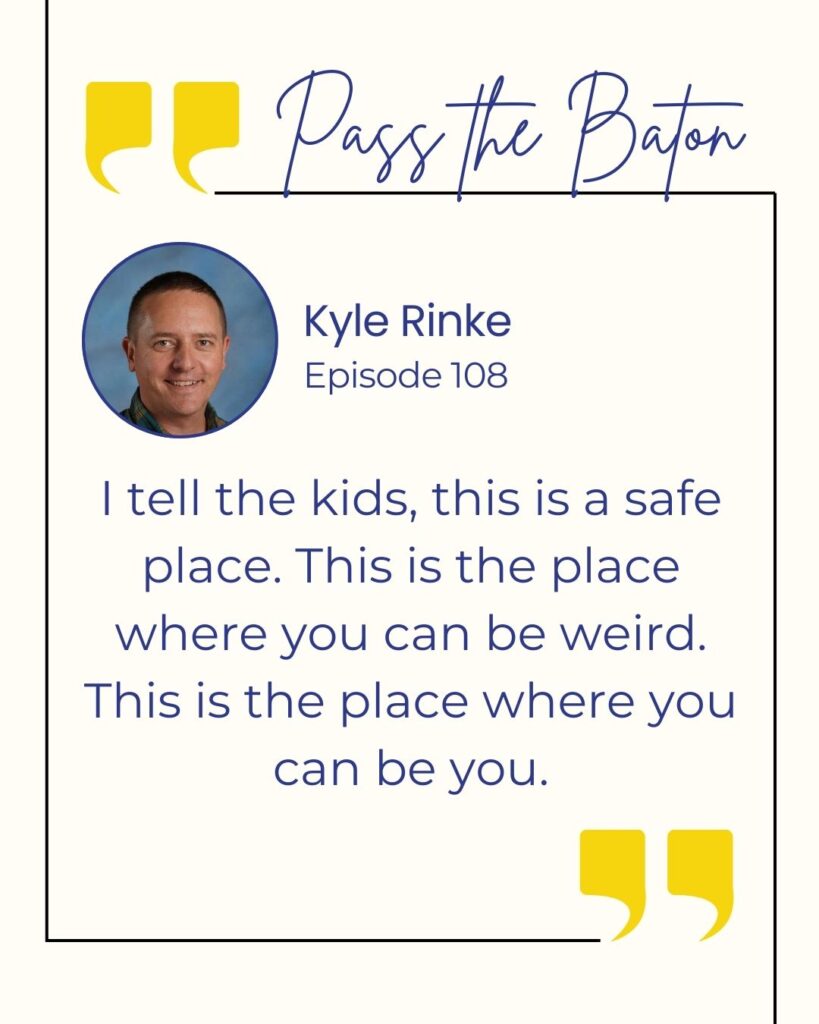
In episode 108, Theresa and Kathryn sit down with Illinois band directors Kyle Rinke and Jaime Escatel to explore what it really means to center learners and cultivate student agency in music classrooms. Kyle shares how his early, competition-driven mindset gradually shifted after realizing that rankings and trophies weren’t building the buy-in or belonging he hoped for. By moving away from chair placements and toward flexible grouping, peer mentorship, and shared leadership opportunities, he found that students not only played better, but felt more valued. Jaime reflects on his time as Kyle’s student teacher and how those experiences shaped his own philosophy: if students feel safe, seen, and connected, the music-making will follow.
Throughout the conversation, Kyle and Jaime offer practical strategies for building community and ownership—from “question of the day” discussions and team-building challenges to student-led warmups, peer teaching, solo auditions decided by the ensemble, and structured opportunities for feedback. They emphasize that student-centered classrooms don’t mean a lack of structure; rather, they require intentional routines, clear expectations, and space for student voice. Most importantly, they remind listeners that this work takes time. When teachers prioritize relationships, create meaningful leadership roles, and invite students into decision-making, they foster not only stronger ensembles, but stronger, more connected young musicians.
Listen to the full interview:
Here are some key takeaways from Episode 108:
- Redefining Success – Shifting focus from trophies and rankings to belonging and growth increases authentic student investment and engagement.
- Structured Leadership – Clear routines and student-led warmups build ownership, confidence, and accountability within the ensemble community.
- Intentional Conversation – Creating space for student voice – even briefly – strengthens relationships and improves rehearsal focus and productivity.
- Peer Mentorship – Older students teaching younger musicians fosters confidence, reinforces skills, and deepens collective responsibility.
- Small Steps Matter – Student-centered change takes time; small, consistent shifts create lasting cultural transformation in your program.
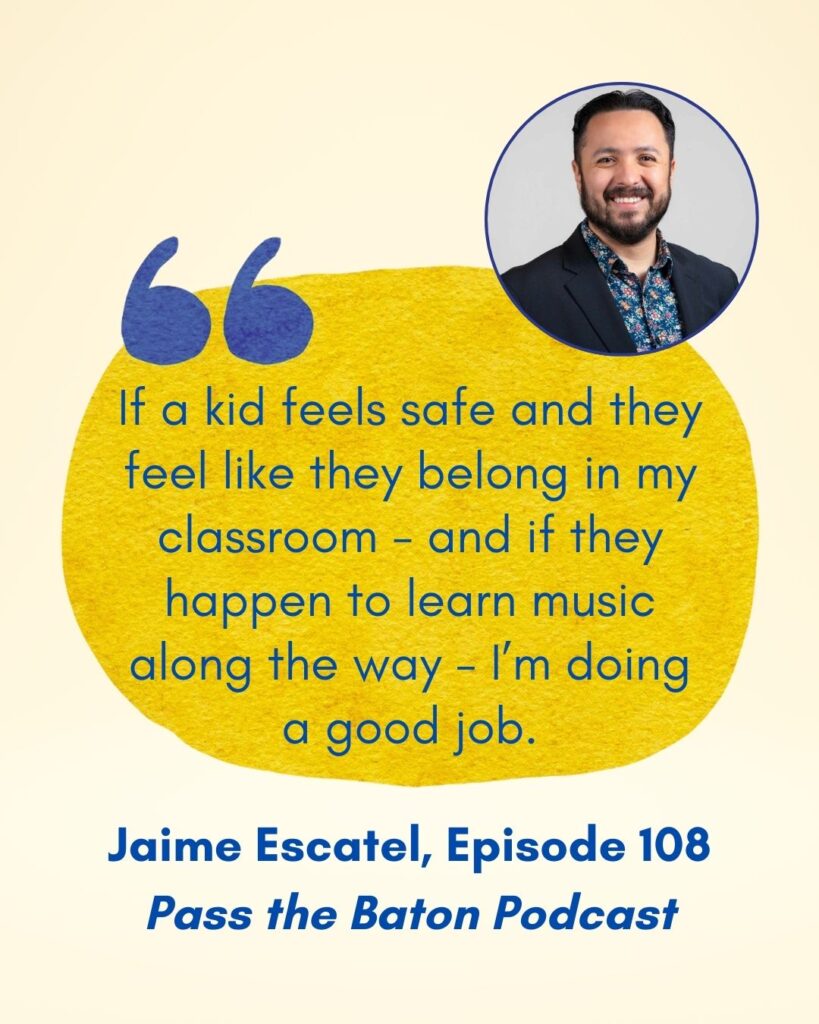
Connect with Kyle and Jaime:
Learn more about Pass the Baton:
- Join the Coffee Club
- Support Pass the Baton
- Amplify student voice with Exit Tickets for Self Reflection
Coffee Club Members: be sure to check out the bonus material available for this episode! Not a member? Join today → Pass the Baton Coffee Club
Ready for more?
You can check out the full interview on YouTube or your favorite podcast platform. Or you can listen right here, on Spotify Podcasts!
You might also enjoy these other episodes:
- Episode 62 – The Kids Come First: Student Ownership in Ensembles, featuring Kathleen Jacoby
- Episode 90 – Throw Away the Rubric: Ungrading the Music Room, featuring Chris Gleason
- Episode 77 – Inspiring Young Musicians: Passion and Purpose in Music Education, featuring Stephen Cox
- Episode 85 – Fostering Lifelong Learning through Reflective Partnerships, featuring Merlin Thompson